- admissions@amala.ac.in
- +91 94427 00825
- +91 94427 00844
- Morasapatti (PO), Idappadi (TK), Salem - 637 101
transport information
Transportation
Transport Information
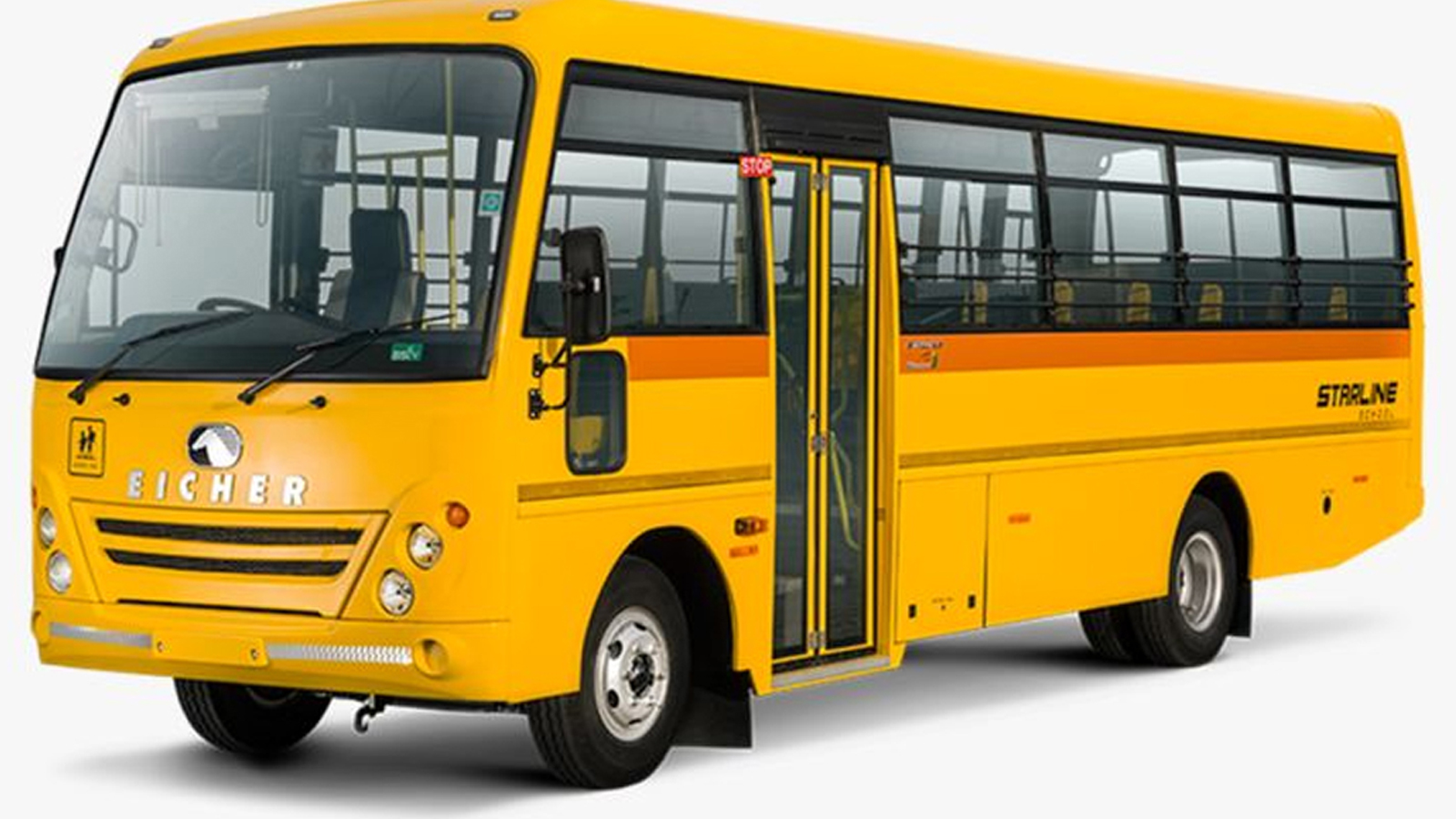
School transport systems ensure safe, reliable student commuting through GPS tracking, CCTV surveillance, and designated, supervised bus routes. Key policies include mandatory lady attendants, speed governors, first aid kits, and strict boarding and seating rules. Schools prioritize safety by managing driver licensing and optimizing routes for efficiency.
Key School Transport Safety & Policies
- Safety Features: Buses often include GPS trackers, CCTV cameras, speed monitoring systems, and first aid kits.
- Supervision: A female attendant or lady monitor is typically mandatory to supervise students, particularly for younger children.
- Rules & Behavior: Students are required to follow safety protocols, such as occupying assigned seats, remaining seated, and avoiding travel on footboards.
- Emergency Measures: Buses are equipped with fire extinguishers, emergency exits (windows and doors), and horizontal grills on windows.
- Scheduling: Buses generally follow designated routes, and students must be at their stop at least 5 minutes before the scheduled time.
- Documentation & Verification: Drivers and staff must be vetted, and students may be required to carry ID cards for bus travel.
- Fleet Strength: We have 15 buses with 15 drivers and 15 attenders.
- Coverage: Transport services cover a radius of 20 kms, including all remote villages (100+ villages).